





Rent L40s GPU: Powering Next-Generation AI and High-Performance Computing
Contents |
[edit] Introduction
As artificial intelligence (AI), machine learning (ML), and high-performance computing (HPC) become central to enterprise strategies, demand for cutting-edge GPU infrastructure is at an all-time high. Yet, investing in powerful GPUs can be prohibitively expensive for many organizations, especially startups and research labs. This is where the option to rent L40s GPU emerges as a game-changer—providing access to advanced GPU technology without the capital burden of ownership.
The NVIDIA L40s GPU, designed for AI inference, generative AI, and graphics-intensive workloads, offers unparalleled performance. Renting this GPU allows enterprises to accelerate innovation, scale efficiently, and optimize costs while staying ahead in a competitive digital landscape.
[edit] Why the L40s GPU Stands Out
The NVIDIA L40s is engineered for modern workloads that demand both speed and precision. Key features include:
- High Parallel Processing Power: Essential for training deep learning models and running complex simulations.
- Generative AI Performance: Tailored for large language models (LLMs), natural language processing (NLP), and content generation.
- Graphics and Rendering Capabilities: Ideal for media, entertainment, and design industries.
- Energy Efficiency: Optimized to deliver performance at lower power consumption compared to older GPU generations.
For organizations experimenting with AI at scale, the L40s is not just hardware—it’s an enabler of breakthrough innovation.
[edit] Benefits of Renting vs Owning
Choosing to rent L40s GPU over purchasing offers several strategic advantages:
- Cost Efficiency
Purchasing advanced GPUs requires significant upfront investment. Renting transforms this into an operational expense, lowering entry barriers for startups and research institutions.
- Scalability on Demand
Enterprises can rent additional GPUs during high-demand periods and scale down when workloads decrease.
- Access to Latest Hardware
Renting ensures businesses stay current with cutting-edge technology without worrying about hardware depreciation.
- Reduced Maintenance Burden
Service providers manage hardware upgrades, maintenance, and infrastructure, freeing enterprises to focus on core innovation.
- Experimentation Without Risk
Businesses can test new workloads, AI models, or applications without committing to long-term infrastructure investments.
[edit] Key Use Cases of Renting L40s GPU
[edit] 1. Generative AI and LLMs
Startups developing chatbots, content-generation tools, or advanced AI assistants can leverage L40s GPUs to train and fine-tune large language models efficiently.
[edit] 2. Scientific Research
Universities and research labs working on simulations in physics, chemistry, or genomics benefit from the parallel computing power of GPU rentals.
[edit] 3. Media and Entertainment
Animation studios and content creators use GPU rentals for 3D rendering, special effects, and real-time video processing.
[edit] 4. Healthcare and Life Sciences
From analyzing medical images to accelerating drug discovery, GPU cloud resources drive faster outcomes.
[edit] 5. Financial Services
Risk modeling, fraud detection, and algorithmic trading demand ultra-fast processing, making GPU rentals invaluable.
[edit] Considerations Before Renting
While the benefits are compelling, enterprises should evaluate the following before deciding to rent L40s GPU:
- Workload Assessment: Determine if GPU acceleration is necessary for your specific applications.
- Provider Capabilities: Choose vendors with reliable infrastructure, global reach, and strong support.
- Compliance and Security: Ensure GPU resources are hosted in compliance with regional regulations, especially for sensitive data.
- Cost Management: Monitor usage to avoid over-provisioning and manage operational expenses effectively.
- Integration with Existing Systems: Confirm that rented GPU resources align with current cloud or hybrid infrastructure.
[edit] The Future of GPU Rentals in India and Beyond
The demand for GPU rentals, especially in India, is projected to rise sharply with the growth of AI startups, ed-tech, and research-driven industries. Emerging trends include:
- Hybrid Cloud GPU Models: Combining on-premise resources with rented GPUs for cost and performance optimization.
- Edge + GPU Integration: Powering real-time AI workloads closer to end users, particularly in IoT and telecom.
- Sustainable GPU Infrastructure: Green data centers offering eco-friendly GPU rentals to meet ESG goals.
- AI as a Service (AIaaS): Simplified access to AI tools and GPU power for enterprises without in-house expertise.
[edit] Actionable Advice for Enterprises
- Start Small: Pilot GPU rentals on specific projects to evaluate ROI.
- Embrace Hybrid Strategies: Use a mix of owned infrastructure and rented GPUs for flexibility.
- Prioritize Vendor Reliability: Partner with providers offering strong SLAs and localized support.
- Focus on Governance: Implement cost monitoring, security frameworks, and usage policies.
- Upskill Teams: Equip teams with knowledge to optimize GPU workloads for maximum benefit.
[edit] Conclusion
The ability to rent L40s GPU represents a paradigm shift in how enterprises, startups, and researchers access high-performance computing. It democratizes advanced technology, making it accessible to those who may not have the capital to invest in expensive hardware. More importantly, it enables organizations to focus on innovation—whether building next-gen AI models, analyzing massive datasets, or creating immersive experiences.
As industries evolve, the question will not be whether businesses adopt GPUs, but how they integrate GPU rentals into their long-term digital strategies. For enterprises willing to embrace flexibility and innovation, renting GPUs is not just a stopgap—it’s the foundation for sustainable growth in the era of AI.
Featured articles
Check out some of the best features and news from Designing Buildings as well as key stories from around the web.
The importance of early engagement

Construction lessons from the Trillium HealthWorks Experience Centre.
Mayors are to be given planning call in powers

Mayors across England will be able to make the most important planning decisions.

The Master Builder: William Butterfield and his times. Book review.

Why construction can't afford to ignore the skills gap.
Building Safety Regulator, 19 August

Gill Kernick appointed Independent Chair of Residents’ Panel.
Connecting knowledge, technology and conservation
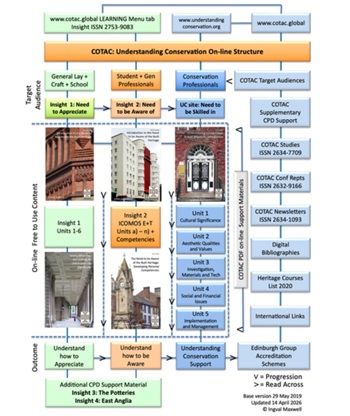
Building competence for the future of built heritage.
Building Regulations and Building Safety Act

CIOB publishes free advice for non-domestic clients.

Building Safety Newsletter from MHCLG.

An extraordinary record of steel engineering worldwide.

Households living near new pylons to save on bills.

ECA warns growth must not outpace grid capacity or skills.
The role of the client and decision making

CIOB response to built environment professions call for evidence.